
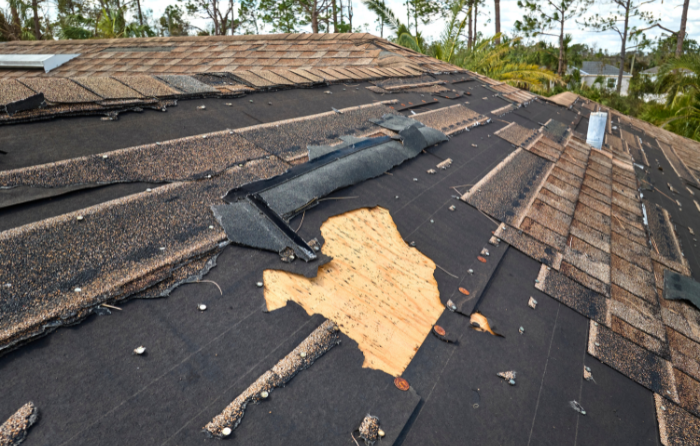
A roof leaking during a storm — or even on a perfectly clear day — is one of the most stressful moments a homeowner can face. Water stains spreading across the ceiling, a steady drip into a bucket, or a damp musty smell in the attic are all signs that something is wrong above your head. The good news is that a roof leaking doesn’t have to turn into a disaster if you act quickly and correctly.
This guide walks you through exactly what to do in the first 24 hours after you discover a roof leaking in your home, why leaks happen in the first place, and how to make sure it never happens again. Whether you’re dealing with a slow drip or a full-blown emergency, these steps will help you protect your home while you wait for a professional to arrive.
Roof leaking right now?
Don’t wait it out — call (912) 800-1544 for a fast, free inspection before the damage spreads.
Why Does a Roof Start Leaking?
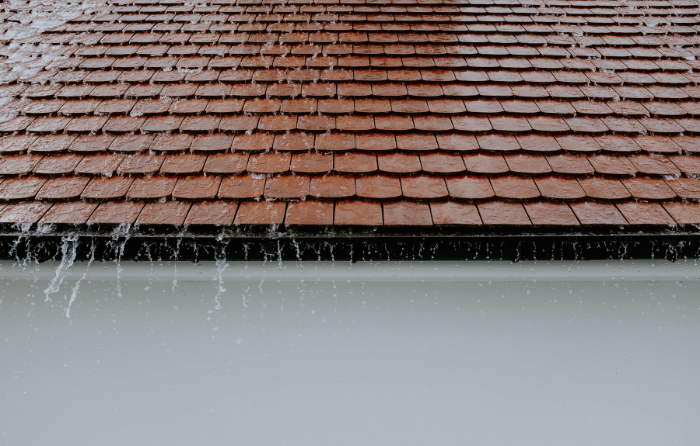
Before jumping into the action plan, it helps to understand why roofs leak in the first place. Most leaks don’t appear out of nowhere — they’re usually the result of small, unnoticed problems that build up over time. Common culprits include:
- Cracked, curled, or missing shingles after high winds or storms
- Damaged or deteriorated flashing around chimneys, vents, and skylights
- Clogged gutters that cause water to back up under the roofline
- Ice damming or heavy debris buildup that traps moisture
- Aging roofing materials that have simply reached the end of their lifespan
Once water finds even the smallest gap, gravity does the rest — which is why a roof leaking in one spot often shows up as a stain somewhere else entirely inside your home. Water can travel along rafters, insulation, and ductwork before it ever becomes visible on your ceiling, which is exactly why a roof leaking problem often looks much smaller on the inside than it actually is on the roof itself.
This is also why homeowners are so often caught off guard. A roof leaking issue rarely announces itself loudly on day one. It usually starts as a faint discoloration, a slightly soft spot on the ceiling drywall, or a musty smell that comes and goes with humidity. By the time water is visibly dripping, the damage has often been building for weeks or even months.
Step 1: Stay Calm and Assess the Situation Safely
The first rule when you notice your roof leaking is simple: don’t panic, and don’t climb onto the roof yourself, especially during or right after a storm. Wet shingles are extremely slippery, and visibility is often poor, which makes climbing up to inspect the damage dangerous even for experienced homeowners. Instead, do a safe walk-through of your home’s interior to see how serious the situation is. Check ceilings, attic spaces, walls, and around light fixtures for signs of moisture.
Take a moment to breathe and think through the situation logically. A roof leaking is stressful, but panicking rarely leads to good decisions. Grab a flashlight, check the attic if it’s safe to access, and get a general sense of how much water is coming in and how quickly. This assessment will guide every step that follows.
Step 2: Move Belongings and Contain the Water
Once you’ve confirmed there’s a roof leaking somewhere in the house, move furniture, electronics, and valuables away from the affected area immediately. Place a bucket or a large container directly under the drip to catch the water and prevent it from spreading across flooring or soaking into carpet. If the leak is coming through a ceiling light fixture, turn off the electricity to that area at the breaker box as a safety precaution. Water and electricity are a dangerous combination, and this simple step can prevent a much bigger problem.
If you have a wet-dry vacuum on hand, use it to remove standing water from floors as it accumulates. Towels and old blankets can also help absorb moisture and protect hardwood floors or carpet while you wait for the situation to be brought under control.
Step 3: Locate and Document the Roof Leak
Take photos and videos of the water damage, stains, and any visible dripping. This documentation is incredibly useful later, both for your roofing contractor and for any potential insurance claim. Try to note when the leak started, how much water is coming through, and whether it seems to get worse during rain or wind from a particular direction.
Keep a simple written log if you can — the date and time you first noticed the roof leaking, how the weather looked at the time, and any changes you observe over the following hours. This kind of detail can make a real difference when it comes time to file an insurance claim or explain the timeline to your roofing contractor.
Step 4: Apply a Temporary Fix (If It’s Safe to Do So)
If you can safely access the attic, a tarp placed over the affected area from the inside, or a bucket positioned to catch dripping water, can help minimize damage until a professional arrives. Avoid going onto the roof itself in wet or windy conditions. A roof leaking is rarely a one-person DIY fix — attempting a permanent repair yourself can sometimes make the damage worse or void existing warranties.
Homeowners sometimes reach for caulk, sealant, or roofing cement as a quick patch. While these can offer very short-term relief in a true emergency, they’re not a substitute for a proper repair. Covering up a roof leaking symptom without addressing the underlying cause almost always means the same leak returns during the next heavy rain.
Step 5: Call a Professional Roofing Contractor
This is the most important step. A roof leaking is a job for trained professionals who can safely identify the true source of the problem — which is often not exactly where the water appears inside your home.
Reaching out to an experienced team for professional roof repair ensures the damage is properly diagnosed and fixed the first time, instead of masking a symptom that will resurface during the next storm.
Don’t wait for the damage to spread.
Book your free roof inspection today
What to Expect When a Professional Arrives
A qualified roofer won’t just patch the spot where water is entering your home. They’ll perform a full assessment of the roof surface, flashing, vents, and gutter system to understand exactly why the roof leaking started in the first place. This often includes checking the attic from the inside to trace the water’s path and inspecting the roof from the outside for damaged or missing materials.
Once the cause is identified, a good contractor will walk you through the findings in plain language, explain your repair options, and give you a clear, honest estimate before any work begins. There should be no pressure to buy more than you need — just a straightforward explanation of what’s wrong and how to fix it properly.
Common Causes of a Leaking Roof (In More Detail)
Understanding the root cause helps you and your contractor prevent the issue from returning. Here are the most frequent reasons a roof leaking problem develops:
- Storm and wind damage: High winds can lift, crack, or completely remove shingles, exposing the underlayment beneath.
- Aging materials: Roofs naturally wear down over time, and asphalt shingles typically need replacement after 15–25 years.
- Poor or damaged flashing: Metal flashing around chimneys, vents, and skylights is a common weak point where water sneaks in.
- Clogged or damaged gutters: When gutters can’t drain properly, water pools and eventually seeps under the roofline.
- Improper previous installation: A poorly installed roof can develop leaks years earlier than it should.
How to Prevent Your Roof From Leaking Again
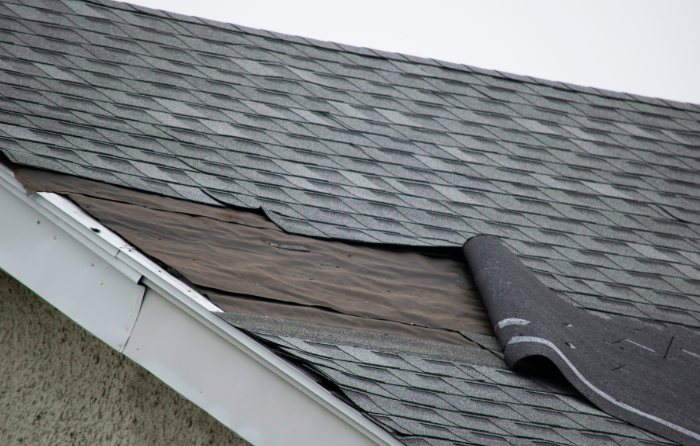
Once the immediate emergency is handled, the goal shifts to prevention. A few proactive habits can dramatically reduce the odds of another roof leaking incident down the road:
- Schedule a professional inspection at least once a year, and always after a major storm
- Keep gutters clear of leaves and debris so water can drain freely
- Address small issues — like a single missing shingle — before they grow into major repairs
- Invest in routine upkeep instead of waiting for visible damage to appear
- Trim overhanging tree branches that can scrape shingles or drop debris during storms
- Check attic ventilation, since poor airflow can trap moisture and accelerate wear
None of these steps require major investment, yet together they dramatically lower the odds of ever dealing with a roof leaking emergency again. Prevention is almost always cheaper — and far less stressful — than emergency repair.
Well-maintained gutter installations play a bigger role in preventing leaks than most homeowners realize, since properly functioning gutters direct water safely away from your roofline and foundation. Pairing that with a consistent roof maintenance routine is the most reliable way to catch small problems before they turn into an emergency roof leaking situation.
When a Small Leak Becomes a Big Problem
It’s tempting to ignore a small drip, especially if it seems to stop once the rain does. But a roof leaking — even intermittently — can lead to mold growth, rotted wood framing, damaged insulation, and weakened structural integrity over time. What starts as a $200 repair can quietly turn into a $10,000 problem if left unaddressed for months or years. Acting within the first 24 hours, and following up with a full professional assessment, is the single best way to keep repair costs low and your home protected.
Explore All Our Roofing Services
Beyond emergency repairs, it’s worth understanding the full range of roofing services available to homeowners — from full replacements to routine cleaning and maintenance plans — so you can choose the right long-term solution for your roof, not just a quick fix.
Why Homeowners Trust Victory Roofing
Victory Roofing is a locally owned, family-run roofing company built on honest pricing, fast response times, and free, no-pressure inspections. As a GAF Certified and Atlas Platinum Select Pro Installer. The team has the training and warranty-backed materials to handle everything from a single roof leaking emergency to a complete roof replacement.
Every homeowner deserves a roofing contractor who explains exactly what’s wrong and why — never upselling work that isn’t needed. To learn more about the team behind the work, visit the About Us page and see why so many local families keep coming back.
Frequently Asked Questions About a Leaking Roof
How much does it cost to fix a roof leaking?
Costs vary depending on the size and cause of the leak, ranging from a minor shingle repair to a more involved flashing or decking fix. A free inspection is the fastest way to get an accurate estimate.
Will homeowners insurance cover a roof leaking?
In many cases, sudden storm damage is covered, while gradual wear from lack of maintenance often is not. Documenting the damage right away improves your chances of a smooth claim.
Can I wait until the weekend to get it looked at?
It’s not recommended. A roof leaking gets worse with every rainfall, and delays often increase both the damage and the final repair cost.
For more detailed answers, check out the full FAQ page, where common roofing questions about cost, timelines, and warranties are answered in plain language.
Can I just replace the missing shingles myself? For very minor, easily accessible repairs some homeowners choose to do this, but it’s easy to miss underlying damage to the underlayment or decking. A professional roof leaking assessment ensures nothing is overlook.
What’s the difference between a roof repair and a roof replacement? A repair addresses a specific, localized issue, while a replacement is typically recommended when a roof is nearing the end of its lifespan or has widespread damage across multiple areas.
Final Thoughts
Discovering your roof leaking is never convenient, but knowing exactly what to do in the first 24 hours can make all the difference between a simple repair and a costly renovation. Stay safe, contain the water, document the damage, and bring in a trusted professional as soon as possible. Roofing problems rarely fix themselves, and the sooner they’re address, the more you save — both in money and peace of mind.
A roof leaking today doesn’t have to mean a major renovation tomorrow. With the right response and the right team behind you, most leaks can be resolv quickly, affordably, and without lasting damage to your home.
Get ahead of the damage before it spreads.
Call (912) 800-1544 today and get a clear, honest plan for your roof — free of charge.
