
Savannah is known for its moss-draped oaks, humid air and coastal weather, but homeowners here also know something less charming: the rain. Even though winters in the Lowcountry are mild compared with most of the country, cold fronts and coastal storms can bring days of steady, soaking rain. If your shingles are worn or your gutters are packed with leaves, that water has nowhere safe to go.
That is why it pays to prepare your roof and gutters for winter rain in Savannah, GA before the wet weather settles in. A few hours of inspection, cleaning and small repairs now can prevent leaks, rotted fascia boards, stained ceilings and repair bills that climb into the thousands later. In this guide, Victory Roofing walks you through exactly what to check, what to fix and when to call a professional.
Why Winter Rain in Savannah Is Hard on Roofs and Gutters
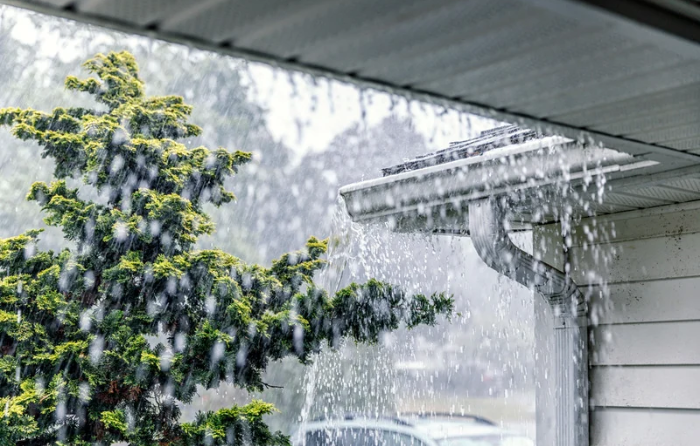
Savannah sits on the Georgia coast, where moisture is a year-round fact of life. Humidity stays high, rain can arrive in long, slow stretches, and coastal systems sometimes push strong wind and heavy downpours through the area even in the cooler months. Roofs here do not get a true dry season to rest and recover.
Several local conditions make winter rain especially tough on homes:
- Constant humidity. Damp air keeps roof surfaces wet longer, which encourages algae, moss and slow deterioration of shingles.
- Heavy tree cover. Live oaks, pines and magnolias drop leaves, needles and seed pods that settle in valleys and fill gutters fast.
- Wind-driven rain. Storm winds push water sideways, forcing it under loose shingles and weak flashing.
- Older roofs. Many Savannah homes are decades old, and aging materials lose their ability to shed water.
When any of these problems combine with several days of rain, small weaknesses turn into active leaks. Water that sneaks under a shingle can soak the decking, wet the insulation and show up as a brown ceiling stain weeks later, long after the damage began.
Step 1: Start With a Full Roof Inspection
The first step to prepare your roof and gutters for winter rain in Savannah, GA is knowing the real condition of your roof. Start from the ground with binoculars or a phone camera zoomed in, and look for the following warning signs:
- Cracked, curled, blistered or missing shingles
- Bare patches where granules have worn away
- Dark streaks, green moss or heavy algae growth
- Sagging areas or dips along the roof line
- Loose, rusted or bent flashing around chimneys, skylights and vents
- Damaged or cracked rubber boots around plumbing pipes
Never climb a wet, steep or damaged roof. A fall is far more dangerous than a leak. If you cannot clearly see the whole roof from the ground, schedule a professional check. A routine roof maintenance visit covers inspection, minor repairs and a written report of what needs attention, so you can plan ahead rather than react to a surprise leak in the middle of a storm.
Step 2: Clean and Check Your Gutters and Downspouts
Gutters are your roof’s drainage system. When they work, rain flows off the shingles, along the gutter and away from the house. When they clog, water overflows, runs down your siding and pools around the foundation. It can also back up under the lowest row of shingles and rot the fascia and roof deck.
Here is a simple gutter routine to follow before the winter rains:
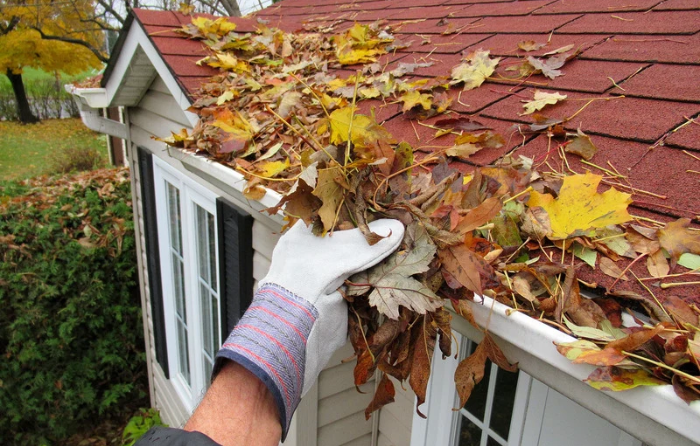
- Remove debris by hand. Scoop out leaves, pine needles, seed pods and shingle grit. Wear gloves and use a sturdy, properly placed ladder.
- Flush with a hose. Run water toward the downspout and watch the flow. Slow or standing water means a clog or a sagging section.
- Clear the downspouts. Check that water exits freely and is directed at least a few feet away from the foundation.
- Look at the hardware. Make sure brackets, hangers and seams are tight, and that the gutters slope slightly toward the downspouts.
- Check for rust and cracks. Small holes and open seams can be sealed, but widespread damage usually means it is time for new gutters.
If your gutters are bent, pulling away from the fascia or constantly overflowing, cleaning will not solve the problem. Professional gutter installation gives your home properly sized, correctly sloped gutters and downspouts that can handle the heavy rainfall Savannah sees during storms.
|
Not Sure What Shape Your Gutters Are In? Let the Victory Roofing team inspect your roof and gutters before the next round of heavy rain. Reach out today and get a clear picture of what your home needs. |
Step 3: Inspect and Repair Flashing
Flashing is the thin metal that seals the joints where your roof meets a chimney, wall, skylight or vent. It is one of the most common leak points on any home, because the sealant around it dries, cracks and pulls away over time. Wind-driven winter rain loves to find these gaps.
Walk the edges of your home and look for lifted metal, exposed nail heads, rust or dried-out caulk. Loose flashing is not a project to patch with a tube of sealant and hope. Proper flashing repair means removing damaged sections, replacing them and sealing them correctly so the repair lasts through the next storm season.
Step 4: Fix Small Leaks Before They Become Big Ones
Winter rain turns small roof problems into large ones. A tiny gap that let in a few drops during a summer thunderstorm can soak your attic during a three-day soaker. Take time to check the inside of your home as well as the outside.
Go into your attic with a flashlight on a dry day and look for these signs:
- Dark stains or wet spots on the underside of the roof deck
- Damp, compressed or moldy insulation
- Water rings, bubbling paint or discoloration on upstairs ceilings
If you find any of these, act quickly. Moisture left alone encourages mold, weakens wood and can hurt indoor air quality. A trained technician can trace the source and complete roof leak repair before more rain arrives, which is far cheaper than replacing soaked insulation, drywall and framing.
Step 5: Control Trees, Moss and Algae
Trees give Savannah its charm, but they are hard on roofs. Overhanging limbs rub away shingle granules, drop debris onto the roof and keep the surface shaded and damp. Trim branches back so they stay several feet from the roof, and remove any dead limbs that could fall during a storm.
Moss and algae are the next issue. Algae streaks look unsightly, but moss is more serious because it holds moisture against the shingles and can lift their edges. Avoid pressure washing, which can strip granules and force water under the shingles. A gentler professional approach, such as roof cleaning, removes growth without harming your roof and helps shingles dry faster between rains.
When Should You Prepare Your Roof and Gutters for Winter Rain in Savannah, GA?
The best time to prepare your roof and gutters for winter rain in Savannah, GA is early in the fall, before the first long stretch of wet weather. With the hurricane season winding down in November and cooler fronts moving in, this is a smart window to catch storm damage that may have gone unnoticed over the summer.
A practical schedule looks like this:
- Early November: Complete a full roof and attic inspection.
- Mid November: Clean the gutters and downspouts and test drainage.
- Late November: Repair flashing, shingles, sealants and damaged gutter sections.
- December: Trim branches and clean off moss or algae.
- January and February: Re-check after any heavy storm or high wind event.
Common Warning Signs and What To Do
Use this table as a quick reference when you spot trouble around your home:
| What You See | What It May Mean | What To Do |
| Water spilling over the gutter edge | Clogged gutter or blocked downspout | Clean the system and check the slope |
| Granules in the gutters | Shingles are aging and wearing out | Schedule a roof inspection |
| Brown stains on a ceiling | Active or past roof leak | Find the source and repair it quickly |
| Curling or missing shingles | Wind damage or age-related failure | Repair or replace affected shingles |
DIY or Hire a Professional?
Plenty of homeowners can handle basic tasks, such as clearing the lowest gutters from a stable ladder, trimming small branches and checking the attic. But roofing work carries real risk. Wet shingles are slippery, steep pitches are unforgiving and hidden damage is easy to miss without experience.
Call a professional roofer when you notice any of the following:
- The roof is steep, tall or hard to access safely
- You find active leaks, soft spots or sagging sections
- Shingles are widely cracked, curled or missing
- Gutters repeatedly overflow even after cleaning
What Does Skipping Winter Prep Really Cost?
It is tempting to put off roof and gutter work, especially when everything looks fine from the driveway. The trouble is that the most expensive roof damage is usually the kind you cannot see yet. Water slowly works its way into the structure of your home and causes problems that show up only after the damage is serious.
- Rotted fascia and soffits from overflowing gutters
- Wet insulation that stops working and invites mold
- Ruined drywall and paint from ceiling leaks
- Foundation and landscaping issues from poor drainage
- Early roof replacement when repeated moisture shortens shingle life
If rain has already reached your attic or ceilings, do not wait for a dry day. Fast emergency roof repair limits water damage and protects your belongings until a permanent fix is finished.
|
Storm Coming? Don’t Wait for the Leak. If rain has already found its way inside, fast action limits the damage. Our team can help you act fast so water stays out of your home until a lasting fix is complete. Get Help From Victory Roofing Today |
Frequently Asked Questions
How often should I clean my gutters in Savannah?
Most homes with nearby trees benefit from cleaning at least twice a year, typically in late spring and again in the fall before the rainy winter weather. Properties surrounded by live oaks or pines may need more frequent cleaning.
What is the best way to prepare a roof for heavy rain?
Inspect the shingles and flashing, clean the gutters and downspouts, trim overhanging branches, remove debris from valleys and repair any small leaks. A professional inspection is the most reliable way to catch hidden problems.
Can clogged gutters really damage my roof?
Yes. Blocked gutters cause water to back up under the shingle edges and soak the fascia and roof deck. Over time this can lead to rot, leaks and costly repairs.
What should I do if my roof leaks during a storm?
Place a bucket under the drip, move belongings away from the area, take photos for documentation and contact a roofer as soon as it is safe. Do not go onto a wet roof yourself.
How do I know if I need repairs or a new roof?
Isolated damage, such as a few missing shingles, usually calls for repair. Widespread cracking, curling, granule loss and recurring leaks point toward replacement. An inspection will give you an honest answer.
Final Thoughts: Protect Your Home Before the Rain Arrives
Winter rain does not have to mean winter worry. When you prepare your roof and gutters for winter rain in Savannah, GA with a clear plan, you reduce the odds of leaks, water stains, mold and surprise repair bills. Inspect the roof, clean the gutters, repair flashing, deal with trees and moss, and keep an eye on your attic. Each step protects the one before it.
You do not have to do it alone, either. Whether you want a quick inspection or a complete plan for the season, you can contact our team and we will help you decide what your roof really needs.
|
Ready to Protect Your Home This Winter? Do not let the next storm decide what your roof needs. Schedule your inspection with our local roofing experts and head into the rainy season with confidence. |
Trusted by homeowners across Coastal Georgia, Victory Roofing is here to keep your roof strong, your gutters flowing and your home dry all winter long.
