
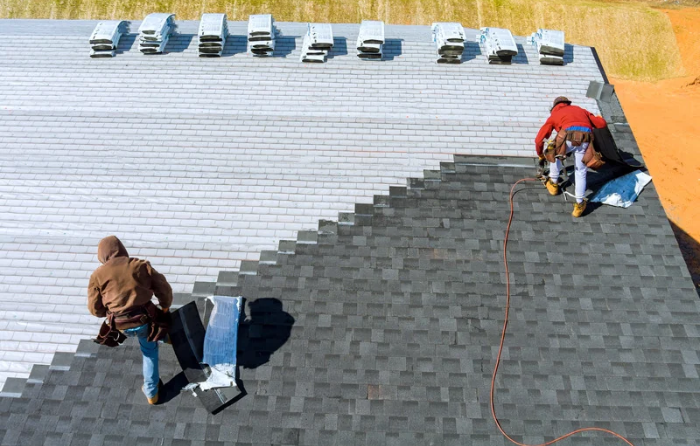
Planning a new roof installation is one of the biggest home improvement decisions you will make, and in 2027 it pays to start early. Material availability, crew schedules, weather windows and insurance rules all affect how smoothly a project goes. If you live in Savannah, Pooler, Richmond Hill or anywhere along the Georgia coast, heat, humidity, heavy rain and storm season add even more reasons to plan carefully.
This guide walks you through every step of a successful new roof installation, from deciding whether you really need one to choosing materials, comparing contractors, setting a budget, picking the right time and protecting your investment afterwards.
| To plan a successful new roof installation in 2027
(1) confirm your roof truly needs replacing, (2) set a realistic budget and look at financing, (3) choose materials built for Georgia’s climate, (4) collect detailed written estimates from licensed and insured roofers, (5) schedule the work for a dry window and (6) maintain the new roof every year. |
What Is a New Roof Installation, and When Do You Need One?
A new roof installation means removing the old roofing materials, inspecting and repairing the deck underneath, and installing a complete new roofing system: underlayment, flashing, ventilation, shingles or other covering, and ridge caps. It is different from a patch or a spot fix. A full roof replacement is usually the right move when the roof is near the end of its service life or damage is widespread.
Not every problem calls for a full replacement. If damage is limited to a small area, a professional roof repair can often restore the roof for far less money. The key is an honest inspection, not a sales pitch.
Common signs that it may be time for a new roof installation include:
- Shingles that are curling, cracking, buckling or missing in many places
- Heavy granule loss, with granules collecting in your gutters or downspouts
- Water stains on ceilings or walls, or daylight visible in the attic
- Sagging areas, soft decking or recurring leaks in different spots
- Moss, algae or mold growth that keeps returning
- A roof that is 20 years old or more, depending on the material
- Rising energy bills caused by poor attic ventilation or insulation
Step 1: Get a Professional Roof Inspection First
Before you request prices, find out exactly what condition your roof is in. A thorough inspection should cover the shingles or panels, flashing around chimneys and vents, valleys, gutters, soffits, fascia and the attic space. A good inspector will take photos, explain what they find in plain language and tell you whether repair or replacement makes more sense.
Inspections also give you documentation. If storm damage is part of the picture, dated photos and a written report make insurance conversations much easier. Ask any contractor you speak with whether the inspection is free and whether you will receive the findings in writing.
Step 2: Set a Realistic Budget for Your New Roof Installation
The total cost of a new roof installation depends on several factors, and two homes of the same size can have very different prices. Understanding what drives the number helps you compare estimates fairly. The biggest factors are:
- Roof size and pitch: larger and steeper roofs take more material and more labor
- Material choice: asphalt shingles, metal and tile sit at very different price points
- Roof complexity: valleys, dormers, skylights and chimneys add detail work
- Condition of the decking: rotted or damaged plywood must be replaced
- Tear-off needs: removing one or more old layers adds labor and disposal
- Ventilation, flashing and gutter upgrades: often worth doing at the same time
Always build a small cushion into your budget for hidden decking repairs, because problems under the old roof are only visible once it is removed. If paying upfront is a concern, ask about flexible financing options so you can protect your home now and spread the cost over time.
Step 3: Choose the Right Roofing Material for Georgia Weather
Georgia’s coastal climate is tough on roofs. Intense summer sun, high humidity, sudden thunderstorms and tropical storm season all put stress on roofing materials. When planning your new roof installation, think about durability, wind resistance, heat reflection and how well the material resists algae and moisture.
| Material | Strengths | Things to consider |
| Asphalt shingles | Popular, affordable, many colors and styles, quick to install | Shorter lifespan than metal; look for algae-resistant and high wind-rated options |
| Metal roofing | Long lifespan, sheds water well, reflects heat | Higher upfront cost; needs a contractor with proper metal experience |
| Tile or slate | Very durable and distinctive appearance | Heavy, expensive, and the structure must support the weight |
Ask your contractor to explain the manufacturer warranty on the shingles and on the full system. Many warranties are only valid when the roof is installed by a certified installer using matching components, so the installer matters as much as the product.
Step 4: How to Choose the Right Roofing Contractor
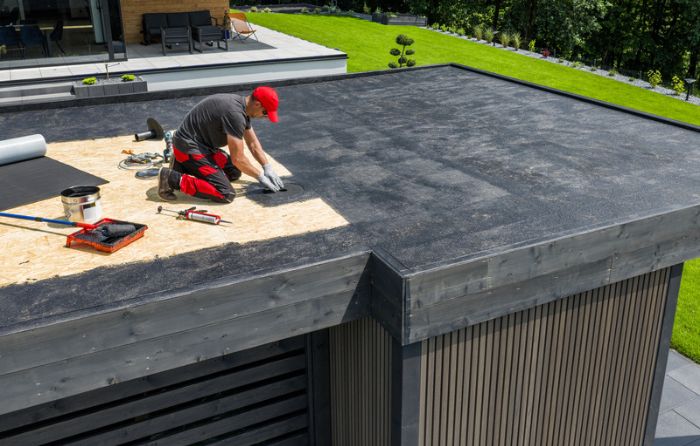
The contractor you hire will have more impact on the result than almost any other decision. A well-installed roof can outperform a more expensive roof that was installed badly. Use this checklist when comparing roofers:
- Confirm they are properly licensed and carry liability insurance and workers’ compensation.
- Ask for manufacturer certifications and check what warranties they can offer.
- Read recent Google reviews and look at photos of completed local projects.
- Get at least two or three detailed written estimates, not verbal quotes.
- Check that each estimate lists materials, brands, underlayment, flashing, ventilation, cleanup and disposal.
- Ask who will be on your roof and how long the project is expected to take.
- Be cautious about very low prices, pressure to sign immediately or large cash deposits.
A local, family-owned company that works in your area every week also understands local conditions, supplier timelines and what homes in your neighborhood typically need. Victory Roofing, for example, holds GAF Certified Master Elite and Atlas Platinum Select Pro Installer recognition, which are the kind of credentials worth asking any roofer about.
Ready to plan your roof? Talk to a local roofing expert today.
Step 5: Understand Permits, Insurance and Paperwork
Permit and inspection rules for a new roof installation are set locally, and they can differ between cities and counties in the Savannah area. Do not assume. Ask your contractor to confirm in writing what applies to your exact address, who handles it and whether any fees are included in the estimate.
If your roof damage came from a storm, contact your insurance company early and keep every record: photos, inspection reports, estimates and receipts. Your policy may have a deductible, depreciation rules or deadlines for filing, so read it carefully. A trustworthy contractor will gladly explain the documentation your insurer is likely to ask for.
Step 6: Pick the Best Time for Your Installation in 2027
Roofing is a weather-dependent trade. In coastal Georgia, the Atlantic hurricane season runs from June 1 to November 30, and afternoon thunderstorms are common in summer. That does not mean you cannot install a roof in those months, but it does mean schedules can slip. Many homeowners aim for drier stretches in spring and early fall, while others book in winter when contractors may have more availability.
The most important rule is to plan ahead. If your roof is already leaking, do not wait for the perfect season. Temporary protection and an early booking are better than letting water damage spread into your attic, insulation and ceilings. When you contact a roofer, ask about their current schedule and how they handle rain delays.
If you are in Savannah, Pooler, Richmond Hill, Brunswick, Statesboro or nearby, you can see the full list of areas we serve to confirm your city is covered.
Step 7: What Happens During the Installation
Knowing the process removes a lot of stress. While every project is different, a typical new roof installation follows this sequence:
- Protection and setup: the crew covers landscaping, protects the property and sets up debris control.
- Tear-off: old shingles, underlayment and damaged flashing are removed.
- Deck inspection: any rotted or damaged plywood is repaired or replaced.
- Underlayment and drip edge: water-resistant layers and metal edging are installed.
- Flashing and ventilation: chimneys, valleys, vents and penetrations are sealed and detailed correctly.
- Roof covering: shingles or panels are installed following the manufacturer’s specifications.
- Ridge caps and finishing: the ridge and edges are completed for a clean, weather-tight finish.
- Cleanup and final check: nails are swept with a magnet, debris is hauled away and the roof is inspected.
A typical residential project can often be completed in a few days, though size, complexity and weather all affect the timeline. Ask your contractor for a realistic schedule in writing.
Step 8: Protect Your New Roof After Installation
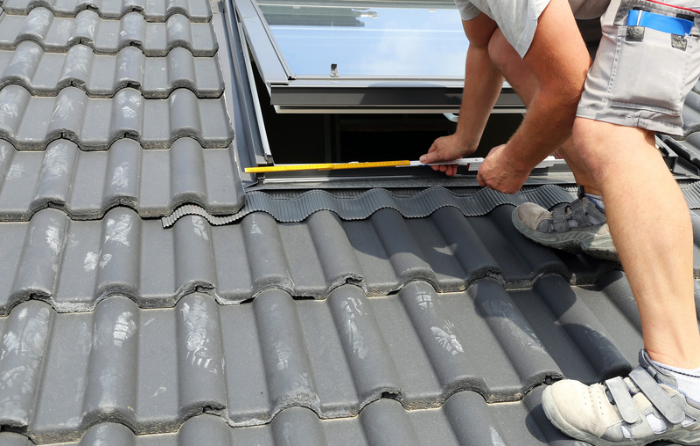
A new roof installation is a major investment, and regular care helps it last. Schedule a yearly check, clear gutters regularly, trim overhanging branches and have the roof looked at after major storms. Keeping up with professional roof maintenance catches small issues such as loose flashing or lifted shingles before they become expensive leaks.
Keep your paperwork in one place: the signed contract, manufacturer warranty, workmanship warranty, receipts and final inspection photos. You will need them if you ever file a claim or sell the home.
Have questions about your roof? Call us for a free inspection.
Common Mistakes to Avoid When Planning a New Roof
- Choosing only on price: the cheapest bid often cuts corners on underlayment, flashing or cleanup.
- Skipping the inspection: without one, you may replace a roof that only needed repairs.
- Ignoring ventilation: poor attic airflow shortens shingle life and drives up energy bills.
- Waiting too long: a small leak can turn into rotted decking and interior damage.
- Not reading the contract: confirm scope, brands, payment schedule and warranties before signing.
- Forgetting gutters: old, damaged gutters can undermine a brand-new roof.
Your 2027 New Roof Installation Checklist
- Book a professional roof inspection and keep the report
- Set a budget with a cushion for decking repairs
- Explore financing if you need to spread out the cost
- Choose a material suited to Georgia heat, humidity and wind
- Verify license, insurance, certifications and reviews
- Ask about permits, schedule, rain delays and cleanup
- Save warranties and plan annual maintenance
Frequently Asked Questions About New Roof Installation
How long does a new roof installation take?
Many residential projects take between one and a few days once work begins, depending on roof size, pitch, material and weather. Material ordering and scheduling happen before that, so contact a roofer well before you want the work done.
How do I know if I need a new roof or just a repair?
If problems are isolated and the rest of the roof is in good shape, repair may be enough. If you see widespread wear, repeated leaks, sagging or a roof near the end of its lifespan, a full new roof installation is usually the smarter long-term choice. A professional inspection gives the clearest answer.
What is the best roofing material for Georgia homes?
Architectural asphalt shingles are the most common choice because of their value and variety, while metal roofing is popular for longevity and heat reflection. The best option depends on your budget, home design, wind exposure and how long you plan to stay.
Does homeowners insurance cover a new roof?
It depends on your policy and the cause of damage. Sudden storm damage may be covered, while wear and tear usually is not. Check your policy, document everything and speak with your insurer before work begins.
Still have questions? Visit our FAQ page for more answers about roofing projects.
Final Thoughts: Start Planning Your New Roof Installation Today
A successful new roof installation comes down to good information, early planning and the right team. Inspect first, set a realistic budget, choose materials that handle Georgia weather, compare written estimates and prepare your home before work begins. Do these things well and your roof will protect your family and your property value for many years. If you are ready to take the next step, call (912) 800-1544 for a free inspection, or contact Victory Roofing, your local roofing contractor serving Savannah, GA and surrounding areas.
