
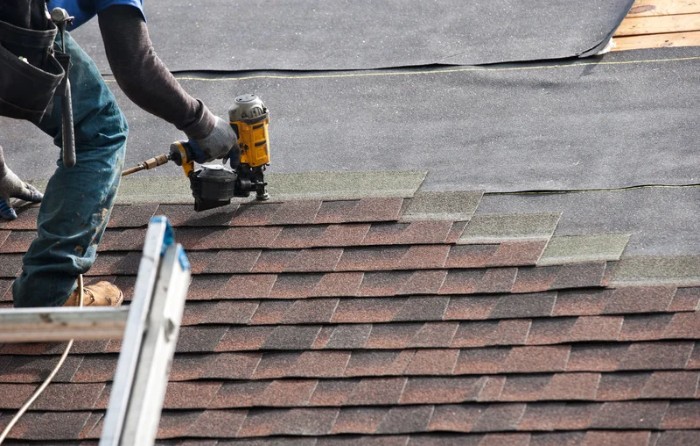
It usually starts with a sound: a loud crack during a Georgia thunderstorm, a branch hitting the shingles, or the steady drip of water where no water should be. In that moment, you need clear steps, not a long lecture. This guide explains exactly what to do in the first 24 hours of a roof emergency, so you can protect your family, limit damage to your home and get the right professional on the roof fast. Whether the cause is wind, a fallen limb or an old leak that finally gave way, acting quickly is the key to affordable emergency roof repair in Pooler, GA.
| Put safety first. Stay off the roof, move people and pets away from damaged areas and shut off power if water is near light fixtures or outlets.
Take photos and video of all damage before you move or clean anything. You will need them for insurance. Contain the water inside with buckets and plastic sheeting, and move valuables away from the leak. Call a local roofer the same day for a professional emergency tarp or temporary patch. Contact your insurance company within 24 hours and keep every receipt. Do not wait for the next rain. A small opening can turn into a very expensive repair within days. |
Why Emergency Roof Repair in Pooler, GA Cannot Wait
Pooler sits in the Georgia Lowcountry region, where roofs face intense summer sun, heavy afternoon thunderstorms, high humidity and the occasional tropical system during hurricane season. These conditions are tough on asphalt shingles, flashing and seals. A roof that looks fine from the driveway can still have lifted shingles, cracked sealant or loose flashing that only show up once a storm hits.
When water gets under your roofing, it does not stay in one place. It soaks into the decking, runs along rafters, wets insulation and eventually shows up on ceilings and walls. In warm, humid weather, mold can begin to grow within a day or two. That is why the first 24 hours matter so much. Fast action keeps a repair small, and it can be the difference between replacing a few shingles and replacing wet decking, drywall and insulation. Wind and falling debris are common causes, and a professional storm damage repair inspection can find hidden problems that are easy to miss from the ground.
Signs You Need Emergency Roof Repair
Not every roof problem is an emergency, but the following signs mean you should act today:
-
- Water dripping or flowing through a ceiling, light fixture or wall.
- A visible hole, or daylight showing through the attic.
- Shingles that are missing, torn, curled or hanging off the roof edge.
- A tree limb or other heavy debris resting on the roof.
- Sagging areas in the roof line or ceiling, which can signal structural stress.
- Loose, bent or missing flashing around chimneys, vents and skylights.
- Dark, wet patches on ceilings that grow larger after rain.
- Granules from your shingles collecting in gutters or at downspouts after a storm.
Your First 24 Hours: Step-by-Step Emergency Roof Repair Checklist
Hour 0 to 1: Make Everyone Safe
Your first job is protecting people. Move family members and pets out of rooms with active leaks or sagging ceilings. If water is dripping near electrical fixtures, outlets or your panel, switch off the power to that area if you can do so safely. Never go onto a wet, damaged roof yourself. Storm-damaged roofs can be slippery and structurally weak, and falls cause serious injuries every year. If you smell gas, see downed power lines or suspect structural collapse, leave the house and call 911.
Hour 1 to 3: Document Everything
Before you clean up, record the damage. Take wide shots and close-ups of the ceiling, walls, floors and any damaged belongings. If you can see the roof safely from the ground, photograph missing shingles, debris and damaged gutters. A phone video that narrates the date, time and conditions is useful. This evidence supports your insurance claim and helps your roofer understand what happened.
Hour 3 to 6: Stop the Water Inside
While you wait for professional help, limit interior damage:
- Place buckets or large containers under drips and empty them often.
- Poke a small hole in a bulging ceiling bubble to let trapped water drain into a bucket. Stand clear of the area first.
- Move furniture, electronics and rugs out of the way, or cover them with plastic.
- Use towels and a wet vacuum to remove standing water from floors.
- Run fans and a dehumidifier to start drying the space.
Hour 6 to 12: Call a Local Roofer
Now call a licensed local roofing company that offers emergency service. Describe the damage, share your photos and ask whether they can install an emergency tarp or temporary patch the same day. A professional temporary fix is much safer and more reliable than a do-it-yourself tarp, which often blows off in the next storm. If a leak is your main concern, you can read more about professional roof leak repair and how crews find the true source of the water, which is often several feet away from the stain on your ceiling.
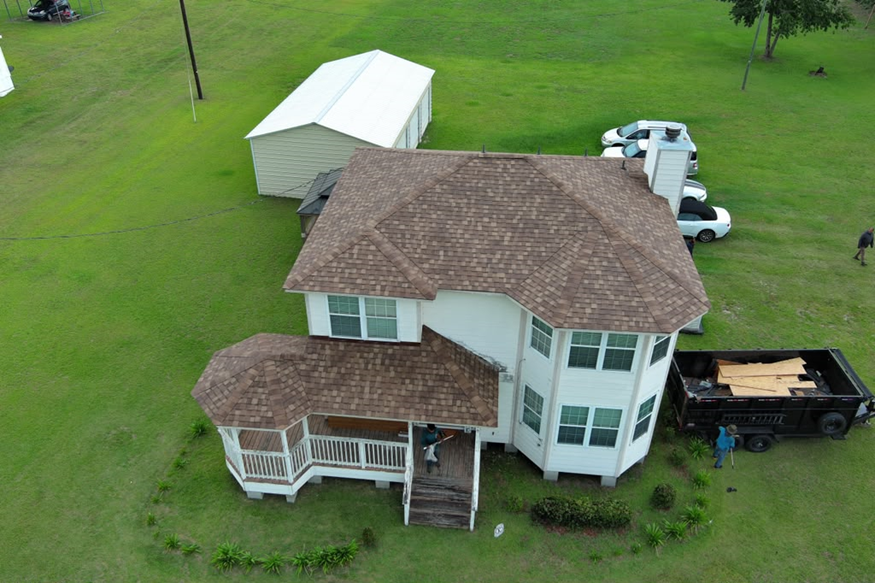
A professional crew clears damaged materials and prepares the roof deck for a safe repair.
Hour 12 to 24: Start the Insurance Claim
Contact your insurance provider as soon as possible and report the damage. Provide your photos, a description of what happened and the date of the storm or incident. Ask about your deductible and what temporary repairs are covered. Keep all receipts for tarps, materials and emergency labor, because many policies reimburse reasonable costs to prevent further damage. Remember that your policy may include specific deadlines for filing a claim, so do not delay.
What Not to Do After Roof Damage
- Do not climb onto the roof. The risk of a fall is high, and you could cause more damage.
- Do not ignore a small leak. Hidden moisture spreads and invites mold and rot.
- Do not sign a contract under pressure. Be cautious of door-to-door storm chasers who arrive right after a storm with no local address.
- Do not throw away damaged materials until your insurance adjuster has seen them, unless safety requires it.
- Do not pay the full price upfront. Reputable roofers explain their payment terms clearly.
Temporary Fix vs. Permanent Repair
An emergency repair is designed to stop the damage today. A permanent repair solves the underlying problem. Understanding the difference helps you plan your budget and your timeline.
| Temporary Emergency Repair | Permanent Repair | |
| Goal | Stop water entry fast | Restore full roof performance |
| Typical methods | Tarping, sealing, board-up | New shingles, flashing, underlayment, decking |
| How long it lasts | Days to a few weeks | Years, depending on materials |
| When to do it | Immediately | After the emergency, once the roof is dry |
| Insurance note | Often reimbursable if documented | Follows the claim process |
A temporary tarp should never be treated as a long-term answer. Once the roof is stable, schedule the permanent work promptly. A trusted team that handles emergency roof repair in Pooler, GA will typically explain both phases and give you a written plan for each.
Should You Repair or Replace Your Roof?
After the emergency, a roofer will inspect the full roof and help you choose between repair and replacement. In general, a repair makes sense when the damage is limited to one section and the rest of the roof is in good condition. Replacement becomes the better investment in situations like these:
- The roof is near the end of its expected lifespan.
- Damage covers a large portion of the roof surface.
- You have had repeated leaks in different areas.
- The decking is soaked, rotted or weakened.
- Shingles are widely curling, cracking or losing granules.
If a full replacement is needed, learn what the process involves on the roof replacement page. An honest contractor will show you the damage, explain the options and never push replacement when a repair will do.
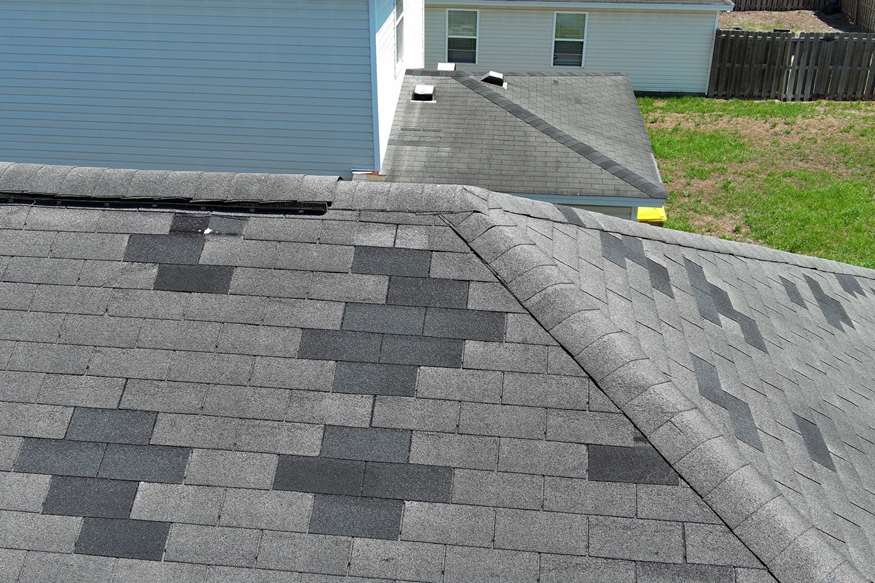
A completed roof repair: new shingles blended into the existing roof and a restored ridge line.
How Much Does Emergency Roof Repair Cost?
Costs vary widely. The price depends on the size of the damaged area, the roof pitch and height, the materials, the extent of hidden decking damage and whether the work happens after hours. A simple tarp or small patch costs far less than replacing sections of decking and shingles. The most reliable way to learn your cost is to request a written estimate after an inspection, and be careful of any quote given without someone looking at the roof.
If a large repair or replacement is more than your budget can handle right away, ask about payment options. Many homeowners explore roofing financing so they can fix the problem now instead of delaying and risking even bigger damage later.
How to Choose the Right Roofer in Pooler
In an emergency it is tempting to hire the first person who answers the phone. A few quick checks protect you from poor work and scams:
- Confirm the company is licensed and insured, and ask for proof.
- Look for a real local presence, with reviews, photos of past work and a Google Business Profile.
- Ask whether they provide written estimates and a workmanship warranty.
- Make sure they handle both emergency tarping and permanent repairs.
- Ask how they communicate with insurance companies and adjusters.
- Choose a team that serves your community. You can check the areas we serve to see whether your neighborhood is covered.
Prepare Your Roof Before the Next Storm
The best emergency is the one that never happens. A few habits reduce your risk through the next hurricane season and beyond:
- Schedule a roof inspection once a year and after any major storm.
- Trim branches that hang over the roof.
- Keep gutters and downspouts clean so water drains away from the roof edge.
- Replace cracked sealant and damaged flashing early.
- Keep a simple emergency kit with a flashlight, tarps, buckets and your insurance policy number.
Frequently Asked Questions About Emergency Roof Repair in Pooler, GA
What counts as a roofing emergency?
A roofing emergency is any damage that lets water into your home or threatens safety, such as an active leak, missing shingles over a living area, a hole in the roof or a fallen tree on the structure.
Can a roof be repaired the same day?
Often the first step, a tarp or temporary patch, can be done the same day, depending on weather and crew availability. Permanent repairs usually follow once the roof is dry and materials are ready.
Will insurance cover emergency roof repair?
Many homeowners policies cover sudden damage from storms or falling objects, but not wear and tear. Your coverage depends on your policy, so call your insurer and document everything.
Is it safe to put a tarp on the roof myself?
It is risky. Wet roofs are slippery, and damaged areas may not hold your weight. A professional has the training and safety equipment to do it correctly.
How fast does mold grow after a roof leak?
In warm, humid climates like coastal Georgia, mold can begin to develop within 24 to 48 hours of moisture exposure, which is why drying the area quickly is so important.
Who should I call for emergency roof repair in Pooler, GA?
Call a licensed local roofing contractor that offers emergency service, can document damage for insurance and provides both temporary and permanent repairs.
Don’t Wait: Protect Your Home Today
A roof emergency is stressful, but a calm plan makes it manageable. Stay safe, document the damage, contain the water, call a professional and start your insurance claim, all within the first 24 hours. For fast, dependable emergency roof repair help, reach out to a local team that knows how Georgia weather treats roofs.
At Victory Roofing, we help homeowners get through roof emergencies with honest advice, careful workmanship and clear communication, from the first tarp to the final shingle. If you need emergency roof repair in Pooler, GA, do not wait for the next storm. Call today and let our team protect your home.
