

Coastal storms move fast, and once the wind dies down and the sky clears, it’s easy to assume the worst is over. But for homeowners along the Georgia coast, the real danger often shows up after the storm has passed — in the form of hidden hail damage. Unlike a fallen tree branch or a missing shingle, hidden hail damage isn’t always visible from the ground, which means it can go unnoticed for weeks or even months until it turns into a costly leak. At Victory Roofing, we’ve inspected hundreds of roofs after coastal storms, and we consistently find the same pattern: homeowners assume their roof is fine because nothing looks broken, when in reality, hidden hail damage has already started compromising the roofing system underneath. This guide walks you through exactly what to look for, why coastal storms make hail damage harder to detect, and when it’s time to call in a professional.
Why Hidden Hail Damage Is So Easy to Miss
Hail damage rarely announces itself. A hailstone doesn’t need to be large to cause damage — even pea-sized to quarter-sized hail, when combined with strong coastal winds, can bruise shingles, crack the protective granule coating, and loosen the seal that keeps water out. From the ground, a roof can look completely normal even when dozens of these small impact points are scatter across its surface. That’s what makes hidden hail damage so different from other storm damage — it doesn’t look urgent, so it gets ignore.
Coastal storms add another layer of difficulty. Along areas like Brunswick, St. Simons Island, and the surrounding Georgia coast, hailstorms are frequently paired with heavy rain and high humidity. This moisture can seep into small cracks created by hail impact before the damage is ever spotted, accelerating wood rot, mold growth, and interior leaks. By the time a stain appears on your ceiling, the roof has often been compromised for months. This is exactly why routine inspections after any coastal storm are so important — hidden hail damage left untreated only gets more expensive to fix.
Signs of Hidden Hail Damage on Your Roof
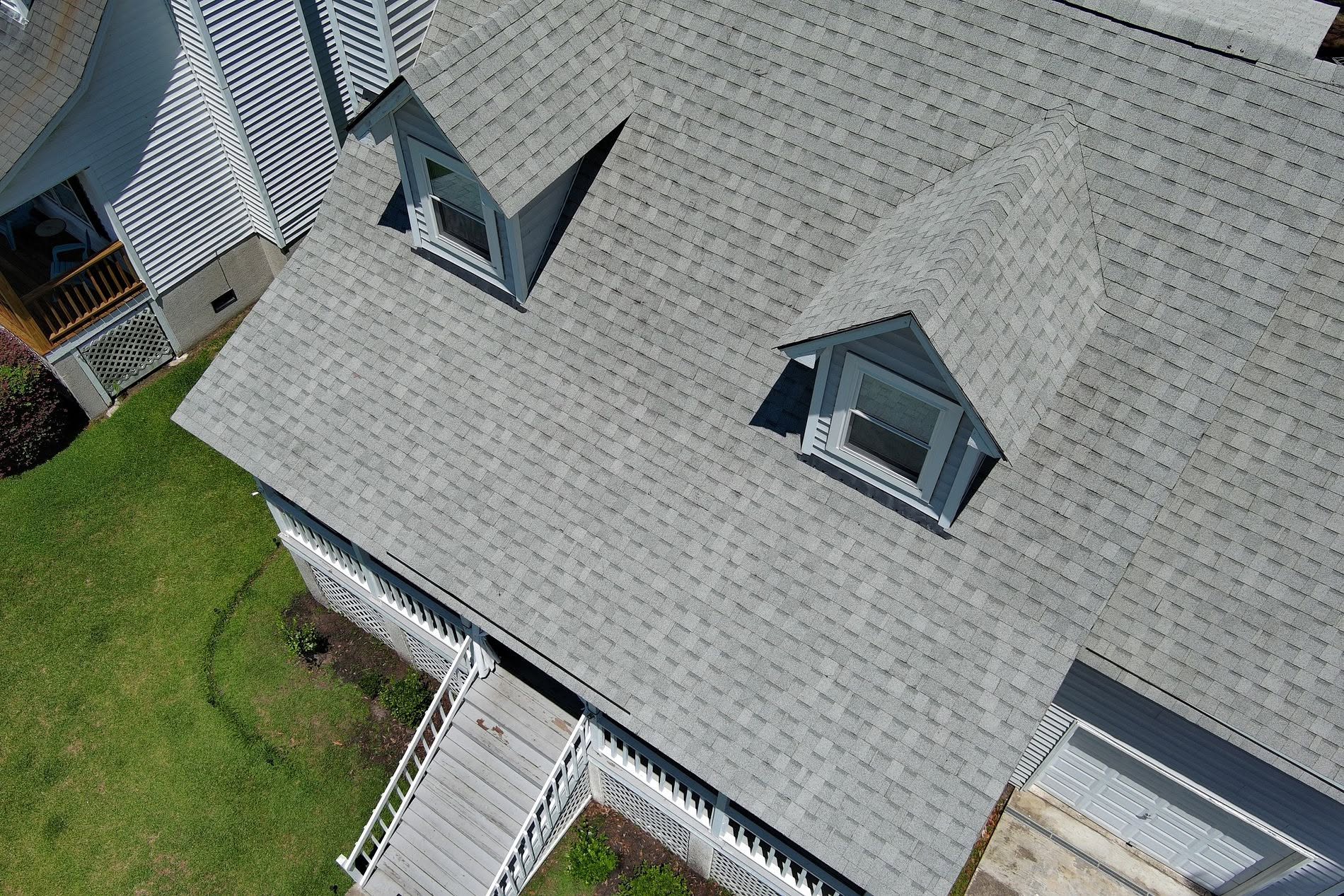
Most hidden hail damage lives in the details. Here’s what a trained eye looks for during a roof inspection:
- Granule loss: Hail impact knocks the protective granules off asphalt shingles, leaving shiny, exposed patches. You may also notice extra granules collecting in gutters or at the base of downspouts after a storm.
- Bruising or soft spots: Press gently on a shingle — if it feels soft or spongy instead of firm, that’s a sign the mat underneath has been weakened by hail impact.
- Circular or random dents: Hail damage often shows up as small, random dimples scattered irregularly across the roof, unlike the straight-line damage caused by foot traffic or equipment.
- Cracked or split shingles: Larger hail can crack shingles outright, creating an immediate entry point for water.
- Damaged flashing and vents: Metal flashing, roof vents, and pipe boots are softer than shingles and often show hail dents even when the surrounding shingles look untouched.
Because so much of this damage is subtle, it’s easy for an untrained eye to walk the roofline and conclude everything is fine. If you suspect any of the above signs after a storm, it’s worth requesting a professional roof repair evaluation before small issues become bigger, more expensive leaks.
Signs of Hidden Hail Damage on Gutters, Downspouts, and Siding
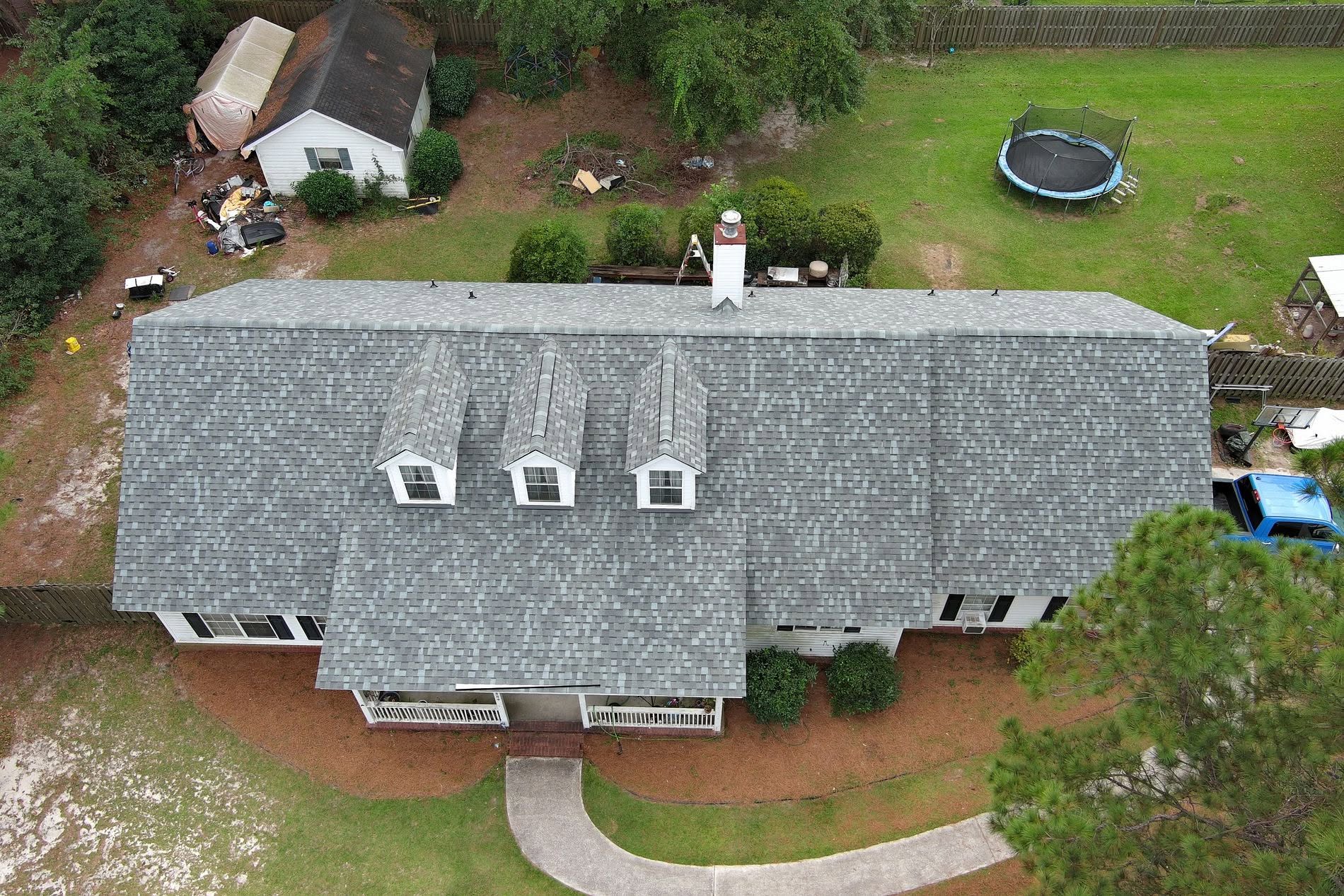
Hail damage doesn’t stop at the shingles. Gutters and downspouts are often the first place hidden hail damage becomes visible, because the softer aluminum dents easily on impact. Walk your property after a storm and look for:
- Dents or dings along the gutter line, especially on the side that faced the storm
- Cracked or split seams where water may now be leaking instead of draining
- Dented downspouts that restrict water flow, leading to overflow and foundation issues
- Chipped paint or small impact marks on siding and window trim, which often mirror the same pattern of damage found on the roof
If your gutters were dented in the storm, there’s a strong chance your roof took a similar hit. Damaged gutters also affect how well rainwater drains away from your roofline. Which can make any existing hidden hail damage worse over time. If you notice dents, it may be time to consider gutter installation or repair alongside a full roof inspection.
Interior Warning Signs You Shouldn’t Ignore
Sometimes the first real evidence of hidden hail damage shows up inside your home, not on the roof. After any significant coastal storm, check your attic and ceilings for:
- Water stains or discoloration on ceilings, especially in corners or along seams
- A musty smell in the attic, which can indicate slow-building moisture
- Visible daylight coming through the roof deck when viewed from inside the attic
- Sagging or soft spots on ceiling drywall
- Peeling paint or bubbling wallpaper near the roofline
These signs typically mean water has already been finding its way through small cracks caused by hail impact for some time. Interior damage is one of the clearest indicators that hidden hail damage on the roof has progressed past the point of a simple fix, and it’s a sign you shouldn’t wait to address.
Why Coastal Storms Make Hail Damage Worse
Homes along the Georgia coast face a unique combination of risks. Coastal storms often bring hail alongside strong winds, salt air, and high humidity — a combination that speeds up the damage process. Salt air naturally corrodes metal roofing components and fasteners over time, and once hail cracks a shingle’s protective coating, that salt-laden moisture finds its way in faster than it would further inland.
Communities like St. Simons Island, GA regularly see this pattern after coastal storms roll through. Homes that look untouched from the street often have hidden hail damage building beneath the surface, made worse by the area’s humidity and proximity to the water. Because of this, homeowners in coastal Georgia communities should treat post-storm roof inspections as a priority, not an afterthought. The sooner hidden hail damage is identify, the easier and less expensive it is to repair.
DIY Inspection Tips (Do This Safely)
While a full inspection is best left to professionals, there are a few things homeowners can safely check after a storm:
- Use binoculars from the ground to scan for missing, cracked, or discolored shingles instead of climbing onto the roof
- Check gutters and downspouts at eye level for dents or debris buildup
- Walk the attic with a flashlight, looking for stains, daylight, or dampness
- Photograph any visible damage right after the storm for insurance documentation
- Note the date and approximate hail size if you experienced the storm firsthand
Never climb onto a wet or storm-damaged roof yourself — hidden hail damage can weaken the structure in ways that aren’t obvious, and roofs become significantly more dangerous to walk on after a storm. If you notice anything unusual, or even if you’re simply unsure, it’s always safer to schedule a professional inspection.
Don’t wait for a small leak to become a big problem. Contact Victory Roofing today to schedule a free, no-obligation roof inspection after your next coastal storm.
Why a Professional Inspection Matters
A trained roofing professional knows exactly where hidden hail damage tends to hide and how to test for it — something that’s nearly impossible to replicate from the ground. Professionals use tools like chalk testing, moisture meters, and close-up shingle inspections to identify bruising and cracked mats that aren’t visible to the naked eye.
At Victory Roofing, our inspection process is built specifically around catching hidden hail damage before it turns into a full roof replacement. We check every layer of your roofing system, including shingles, flashing, vents, gutters, and attic ventilation, so nothing gets miss. This thorough approach not only protects your home but also gives you the documentation you need if you decide to file an insurance claim.
Whether your roof needs a simple repair or a full evaluation of your roofing services, catching hidden hail damage early is always the more affordable path. A small repair today is almost always cheaper than a full roof replacement caused by months of unnoticed water intrusion.
Explore Victory Roofing’s full range of roofing services to see how we can help protect your home after every coastal storm.
Hail Size Comparison Table
| Hail Size | Comparable To | Likely Roof Impact |
|---|---|---|
| Up to 1/2 inch | Pea to marble | Minimal risk to shingles; may still bruise older or worn roofs |
| 1/2 to 3/4 inch | Dime to penny | Granule loss begins; hidden hail damage often starts here |
| 3/4 to 1 inch | Nickel to quarter | Bruising, cracked mats, and weakened seals are common |
| 1 to 1.75 inch | Half dollar to golf ball | Visible dents, cracked shingles, damaged flashing and vents |
| 1.75 inches or more | Golf ball to baseball | Significant structural risk; full inspection recommended immediately |
About Victory Roofing
Victory Roofing has spent years helping homeowners across coastal Georgia identify and repair storm damage before it becomes a major expense. Our team understands the unique challenges that coastal storms create — from salt air corrosion to hidden hail damage that hides beneath perfectly normal-looking shingles. We pride ourselves on honest inspections, clear communication, and roofing solutions built to handle the coastal climate.
You can learn more about our team, our story, and our commitment to quality on our about us, and see real reviews from homeowners we’ve helped by visiting our Google Business Profile. Every inspection we perform is guide one goal: protecting your home long before hidden hail damage has the chance to turn into a costly repair.
Insurance Claims and Documentation Tips
If your roof does have hidden hail damage, proper documentation makes a real difference in how smoothly your insurance claim goes. Take dated photos of any visible damage immediately after the storm, keep a record of the storm date and reported hail size in your area, and request a written inspection report from a licensed roofing contractor. Insurance adjusters often look for clear evidence of impact damage, and a professional roofing report carries far more weight than homeowner photos alone. Victory Roofing provides detailed, adjuster-ready documentation for every inspection, which can make the difference between a denied claim and a fully covered roof repair or replacement.
Roof Maintenance After a Storm
Even if your roof passes inspection with no major hidden hail damage found, it’s still smart to schedule a roof maintenance check-up in the months following a coastal storm. Regular roof maintenance helps catch small issues — loosened flashing, minor granule loss, small leaks — before the next storm season puts additional stress on your roof.
Frequently Asked Questions
Q: How soon after a storm should I check for hidden hail damage?
A: Ideally within a few days of the storm, and always before the next heavy rain event.
Q: Can hidden hail damage void my roof’s warranty?
A: Unaddressed hail damage can sometimes accelerate wear that affects warranty coverage, so early inspection is important.
Q: Does homeowners insurance typically cover hail damage?
A: Most policies cover hail damage, but proper documentation and a professional inspection report are usually require for a successful claim.
Q: How do I know if I need a roof repair or a full replacement?
A: A professional inspection will determine the extent of the damage — many cases of hidden hail damage can be resolve with target repairs rather than a full replacement.
Final Thoughts
Hidden hail damage is one of the most overlooked risks facing homeowners along the Georgia coast after a storm. It rarely looks dramatic, but left unchecked, it can lead to leaks, mold, and expensive structural repairs. The best protection is a proactive one: inspect your roof, gutters, and attic after every coastal storm, and don’t hesitate to bring in a professional when something looks even slightly off.
Victory Roofing is here to help homeowners across coastal Georgia spot hidden hail damage early and keep their homes protected season after season. Reach out today, and let our team give your roof the thorough inspection it deserves.
