
If you own a home in Georgia and your roof is showing its age, one question comes up before anything else: what will it actually cost? The honest answer is, it depends, sometimes by thousands of dollars from one home to the next. The cost of a new roof in Georgia is shaped by far more variables than most homeowners expect, and understanding those variables ahead of time is the difference between a smooth project and an unpleasant surprise on your final invoice.
At Victory Roofing, we’ve inspected, repaired, and replaced roofs across Southeast Georgia for years, and we hear the same question on almost every single estimate: “why does one quote look so different from another?” Usually, it comes down to the six factors below. In this guide. We’ll break each one down in plain language so you know exactly what drives the cost of a new roof in Georgia up or down, what to ask a contractor before signing anything, and how to budget with confidence.
1. Roof Size and Complexity
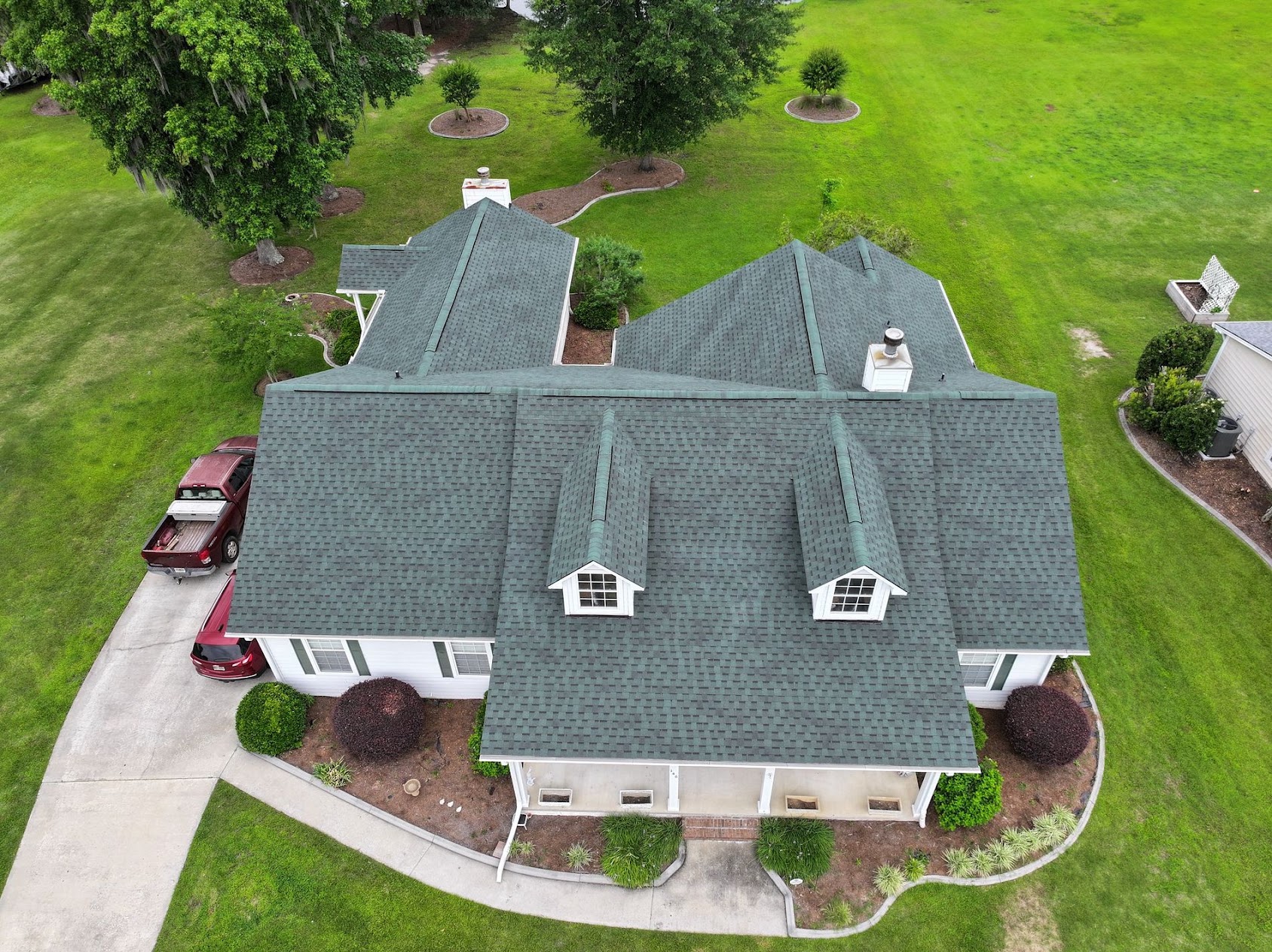
The single biggest driver of price is simple: how much roof are you actually covering? Roofing contractors measure your roof in “squares” (one square equals 100 square feet), and materials plus labor are typically priced per square. A modest ranch-style home with a straightforward gable roof will almost always cost less than a large two-story home with multiple dormers, valleys, and roof lines, simply because there is more surface area and more edges to finish properly.
Complexity matters just as much as raw size, and it’s often the piece homeowners underestimate. Steep pitches, multiple angles, chimneys, skylights, and intersecting rooflines all require more time, more safety equipment, and far more precise cutting and fitting of shingles around every transition. A roof with a lot of valleys and hips is considerably more labor-intensive than a simple rectangular roof of the exact same square footage, and that extra labor shows up directly in your estimate. When you’re comparing two bids side by side, ask each contractor how many squares they measured and what they consider a “difficult” roof line on your specific home, so you understand exactly what you’re paying extra for.
2. The Roofing Material You Choose
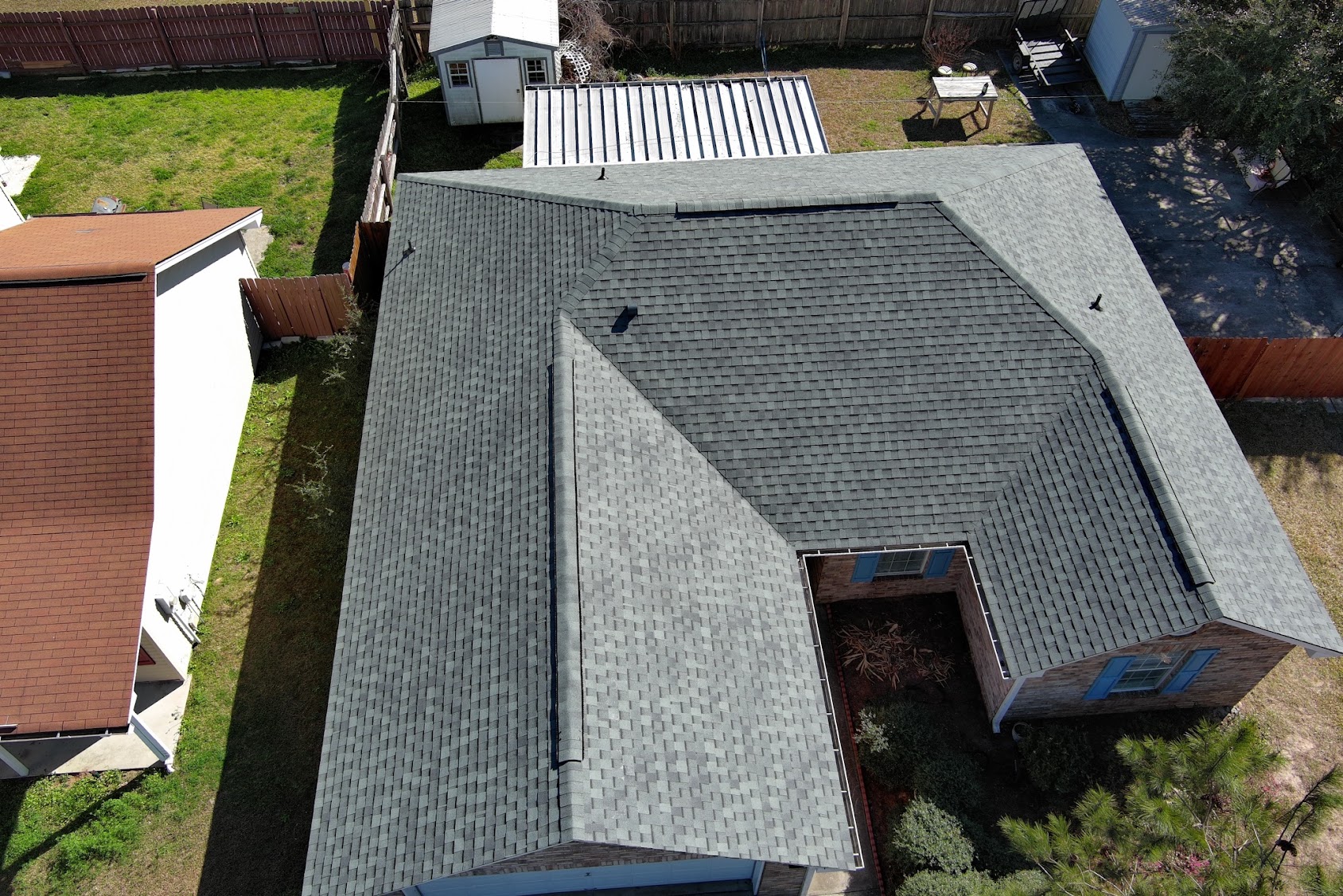
Material selection is where homeowners have the most direct control over the final cost of a new roof in Georgia. Architectural asphalt shingles remain the most popular and budget-friendly option for Georgia homes, offering a strong balance of durability, curb appeal, and price, which is why the majority of the roofs you’ll see on a drive through any Georgia neighborhood use this material. Metal roofing costs more upfront but can last two to three times longer than asphalt and holds up exceptionally well against Georgia’s intense summer heat, humidity, and heavy rain. Premium options like designer architectural shingles, standing-seam metal, or synthetic slate sit at the top of the price range but deliver the longest lifespans along with the strongest wind and hail resistance available.
When you’re comparing quotes, always confirm exactly which shingle or metal product is being quoted, down to the manufacturer and product line. Two roofers can quote very different prices simply because one is using a builder-grade three-tab shingle while the other is using a heavier, better-warrantied architectural shingle that will genuinely outlast it by a decade or more. Cheaper isn’t always cheaper in the long run once you factor in how often a lower-grade material needs repair or premature replacement.
| Not sure which shingle or metal option is right for your home? |
3. Roof Pitch and Accessibility
A steep roof isn’t just harder to walk on, it’s genuinely more dangerous, which means crews need additional safety gear, more time, and sometimes specialized equipment like roof jacks, harness anchors, or mechanized lifts just to work safely. Homes with a low, walkable pitch are faster and safer to work on, which typically keeps labor costs lower and shortens the overall project timeline.
Accessibility around the home also plays a bigger role than most people expect. If a crew can park a dump trailer or material lift close to the house, tear-off and disposal move quickly and efficiently. If your home has a fenced backyard, tight side-yard access, mature landscaping close to the roofline, or a long distance from the driveway to the work area, expect that to add time, and therefore cost, to the project. It’s worth mentioning any access challenges to your estimator upfront so your quote reflects reality from day one instead of changing once the crew arrives.
4. Tear-Off, Decking Repairs, and Underlayment
Most Georgia homes need a full tear-off of the old roofing material before a new roof goes on, and that labor and disposal cost is baked into most estimates from the start. What’s harder to predict ahead of time is what a crew finds underneath once the old shingles come off. Georgia’s humidity and heavy summer storms can lead to hidden water damage over the years, and if the decking (the wood layer beneath your shingles) has rotted or softened. It has to be replaced before new shingles can go down safely. This is one of the most common reasons a final invoice ends up higher than the original quote, so it’s worth asking your roofer upfront how they handle decking repairs and what their per-sheet replacement rate is before work begins.
A quality underlayment and proper attic ventilation system add a bit more to the cost of a new roof in Georgia but they are essential in this climate. Synthetic underlayment and ice-and-water shield around valleys, eaves, and roof penetrations protect against the wind-driven rain that’s common during Georgia’s thunderstorm season, and proper attic ventilation extends the life of the shingles above it by regulating heat and moisture buildup year-round.
5. Permits, Location, and Local Building Codes
Roofing costs aren’t identical across every Georgia zip code. Permit fees, local wind and hail-resistance requirements, and how far your home sits from a contractor’s home base can all shift pricing slightly. Coastal and low-country communities may fall under stricter wind-uplift standards than inland areas, which can call for additional fasteners, upgraded underlayment, or specific shingle ratings. If you’re not sure whether your area has specific requirements, Victory Roofing handles permitting and code compliance for every roof we install across our service areas throughout Southeast Georgia, so you don’t have to navigate that process yourself.
6. Contractor Experience, Warranty, and Crew Quality
It’s tempting to choose the lowest bid, but the cost of a new roof in Georgia reflects more than just materials, it reflects the skill, insurance coverage, and warranty backing of the crew installing it. An experienced, licensed, and insured roofing company will typically charge a bit more than an unlicensed crew. But that price difference covers proper workmanship warranties, manufacturer certifications (which can extend material warranties significantly, sometimes to a lifetime warranty), and protection for you if something goes wrong during the job. A roof installed poorly, even with premium shingles. Will fail long before its expected lifespan, meaning you end up paying twice: once for the bad installation, and again for the repair or replacement it forces later.
Before hiring anyone, ask about their manufacturer certifications, how long they’ve been roofing in Georgia specifically, and exactly what their workmanship warranty covers and for how long. You can browse examples of our completed projects in our roofing gallery to see the kind of clean, precise work a properly trained crew produces on homes just like yours.
How Long Does a Georgia Roof Replacement Take?
Alongside price, timeline is the other question homeowners ask most often, and it’s closely tied to the same factors above. A straightforward asphalt shingle replacement on an average-size single-story home can often be complete in a single day. Weather permitting. Larger homes, steeper pitches, metal roofing installations, or projects that uncover significant decking damage can stretch a job to two or three days. Sometimes longer if Georgia’s summer thunderstorms force a pause partway through.
A good contractor will give you a realistic timeline before the crew ever shows up, walk you through what happens on tear-off day versus installation day, and keep you updated if weather or hidden damage pushes the schedule. Materials also need to be order and delivered ahead of time. So ask about lead times when you’re comparing quotes, especially if you’re choosing a less common shingle color or a metal roofing system. Since those can take longer to source than standard architectural shingles.
So, What’s a Realistic Budget?
Because so many variables are involved, the cost of a new roof in Georgia really can only be pinned down accurately with an in-person inspection. A trustworthy roofer will measure your roof, check your decking and ventilation, walk you through material options, and give you a written estimate with no surprise add-ons buried in the fine print. Be cautious of any quote given over the phone or from a satellite image alone. Without someone actually walking your roof first and confirming conditions in person.
As a general rule, expect pricing to scale with the size and pitch of your roof, the material tier you choose, and the amount of decking repair needed once tear-off begins. Getting two or three written, itemized estimates from licensed local contractors is the most reliable way to understand where your specific home falls within that range.
| Want a real number, not a guess? |
Financing Options for Your New Roof
A new roof is a major investment, and most homeowners don’t pay the full amount out of pocket. Victory Roofing offers flexible financing options that let you spread the cost of your new roof into manageable monthly payments. So a necessary repair or replacement doesn’t have to wait, and it doesn’t have to drain your savings account all at once. Ask your estimator about current financing plans when you schedule your inspection.
Why Homeowners Across Georgia Choose Victory Roofing
Victory Roofing is a locally trust, fully license and insured roofing company serving communities throughout Southeast Georgia. Our crews show up on time, communicate clearly about pricing before any work begins, and stand behind every roof we install with a real workmanship warranty. Not just the manufacturer’s paperwork. To learn more about who we are, how long we’ve been serving the region, and how we work with every homeowner. Visit our About Us. You can also see what your neighbors are saying about their experience with us on our Google Business Profile, where real customers share honest feedback about their roof replacements.
Final Thoughts
Understanding what drives the cost of a new roof in Georgia puts you in a much stronger position the moment you start collecting quotes. Roof size and complexity, your material choice. Pitch and accessibility, hidden decking repairs, local code requirements, and the experience of the crew you hire all combine to determine your final price. None of these factors are things a homeowner should have to guess at, and a contractor who is upfront about each one is a contractor worth trusting with your home.
The best way to get an accurate number for your specific home is a hands-on inspection from a roofer who will walk you through every line item and answer your questions honestly, not just hand you a number and disappear.
| Ready to protect your home with a roof built to last through Georgia’s storms? |
